Restore Your Deck: Professional Staining Services to Boost Durability and Appearance
Restoring a deck by means of professional staining services provides considerable benefits. Professional staining not only boosts the look but also fortifies the wood against the elements.
The Way Staining Preserves Your Deck Against Destruction
Using stain on a deck provides a critical barrier against various types of damage. This shield helps to block moisture intrusion, which can result in fungal and mold formation. By repelling water, stains lower the risk of twisting and cracking that frequently occurs in untreated wood. In addition, UV rays from sunlight can wear down the wood’s surface over time, causing fading and splintering. A quality stain contains pigments that guard the wood, preserving its natural color and strength.
Furthermore, staining enhances the deck's protection to pests such as termites and wood-boring insects. This not only prolongs the life of the deck but also maintains its aesthetic appeal. Regular maintenance through staining ensures that the deck remains in peak condition, reducing the need for costly repairs. Overall, deck staining is a essential process that protects the structure while enhancing its visual charm.
Finding the Best Wood Stain: Oil-Based versus Water Options
When choosing a coating for deck upkeep, homeowners must take into account the differences between oil-based and water-based variants. Each type offers unique advantages, including durability and simple application, which can greatly impact the final look and longevity of the deck. Understanding these characteristics, along with their individual drying times, is essential for making an informed choice.
Oil-Based Stain Advantages
Choosing the appropriate stain can have a major influence on the longevity and aesthetic of a deck, and oil-based stains provide several clear benefits. These stains penetrate deeply into the wood, delivering excellent protection against moisture and UV damage. Their resistance to fading helps keep colors bright for longer amounts of time. Furthermore, oil-based stains usually need fewer coats than water-based alternatives, making them more cost-effective overall. They also accentuate the natural grain of wood, giving decks a deep and appealing finish. Additionally, oil-based products often dry more slowly, allowing for better absorption and a smoother overall finish. In summary, oil-based stains are an ideal option for those wanting durability and visual appeal in deck maintenance.
Water-Based Stain Advantages
Although oil-based stains have their strengths, water-based stains also offer a viable option for maintaining decks. These stains are praised for their lower environmental footprint, as they release less volatile organic compounds (VOCs), making them safer for the applicator and the environment. Additionally, water-based stains dry more rapidly, which allows projects to be completed more quickly. Their ease of clean-up with soap and water facilitates the application process for both DIYers and professionals. Furthermore, water-based stains provide vibrant colors and outstanding UV protection, helping preserve the deck's aesthetics over time. This mix of benefits makes explore now water stains an excellent choice for improving both the durability and look of wooden decks.
Application and Air-drying Times
Grasping the distinctions in how long they take to apply and dry between oil and water stains is essential for achieving ideal results. Oil-based stains typically need more duration for use due to their thicker consistency, providing a more luxurious appearance. They usually require longer to dry, often requiring 24 to 48 hours before the surface can be walked on, based on humidity and temperature. In contrast, water-based stains are easier to apply and cure much quicker, typically in 1 to 3 hours. However, they may need several applications to achieve the desired depth of color. Homeowners should evaluate these elements alongside their project timelines and climate factors when choosing the appropriate stain for their deck restoration.
Critical Steps for Effective Professional Deck Staining
Effective professional deck staining requires meticulous organization and performance to realize lasting results. The first step encompasses thorough tidying of the deck to remove dirt, fungal growth, and old finishes. This may include high-pressure cleaning, scouring, and allowing the surface to set completely. Next, inspection of the wood for any harm or necessary repairs is important, establishing the deck is structurally sound before coating any stain.
Once groundwork are finished, selecting the appropriate stain type is critical, as this affects both look and durability. Professionals often opt for semi-transparent or solid stains based on customer desires and wood type. Application should be done evenly, using brushes and rollers to ensure adequate penetration into the wood. Finally, allowing adequate drying time between coats and before use is crucial to enhance durability and aesthetics, making sure the deck not only looks great but also stands the test of time.
How Frequently Should You Treat Your Deck for Best Results?
How frequently should homeowners stain their decks to ensure ideal safeguarding and aesthetics? Experts suggest staining decks each two to three years, depending on factors such as climate, wood type, and usage. In harsher conditions, such as those with intense sun exposure or heavy rainfall, frequent staining may be necessary to avoid deterioration.
Moreover, the type of stain chosen can influence the timeline; for instance, semi-transparent stains typically require reapplication sooner than uniform-finish options. Ongoing care not only elevates the deck's appearance but also defends against moisture, UV rays, and mold growth.
Homeowners should also think about their deck's foot traffic; heavily used areas may wear away more swiftly, demanding more regular maintenance. Ultimately, choosing the proper staining schedule is essential for maintaining the deck's integrity and beauty, making certain it remains a welcoming exterior area for years to come.
Clues Your Deck Requires a New Stain
A carefully kept deck boosts outdoor living spaces, yet evidence of damage may suggest it’s time for a new stain. Homeowners must be vigilant for several key indicators. Initially, a deck that looks faded or discolored might no longer offer enough protection against the elements. Additionally, if water stops beading on the surface and instead soaks in, the wood's protective layer has probably worn away. Cracking or splintering boards also show that the wood is losing its integrity and requires immediate care. Moreover, mold or mildew growth clearly indicates that the current stain is failing, allowing moisture to get through. Lastly, peeling or chipping stain is yet another obvious sign that the deck needs refreshing. Recognizing these signs early helps preserve the deck's beauty and longevity, making sure it stays a beloved outdoor space.
Color and Finish Alternatives
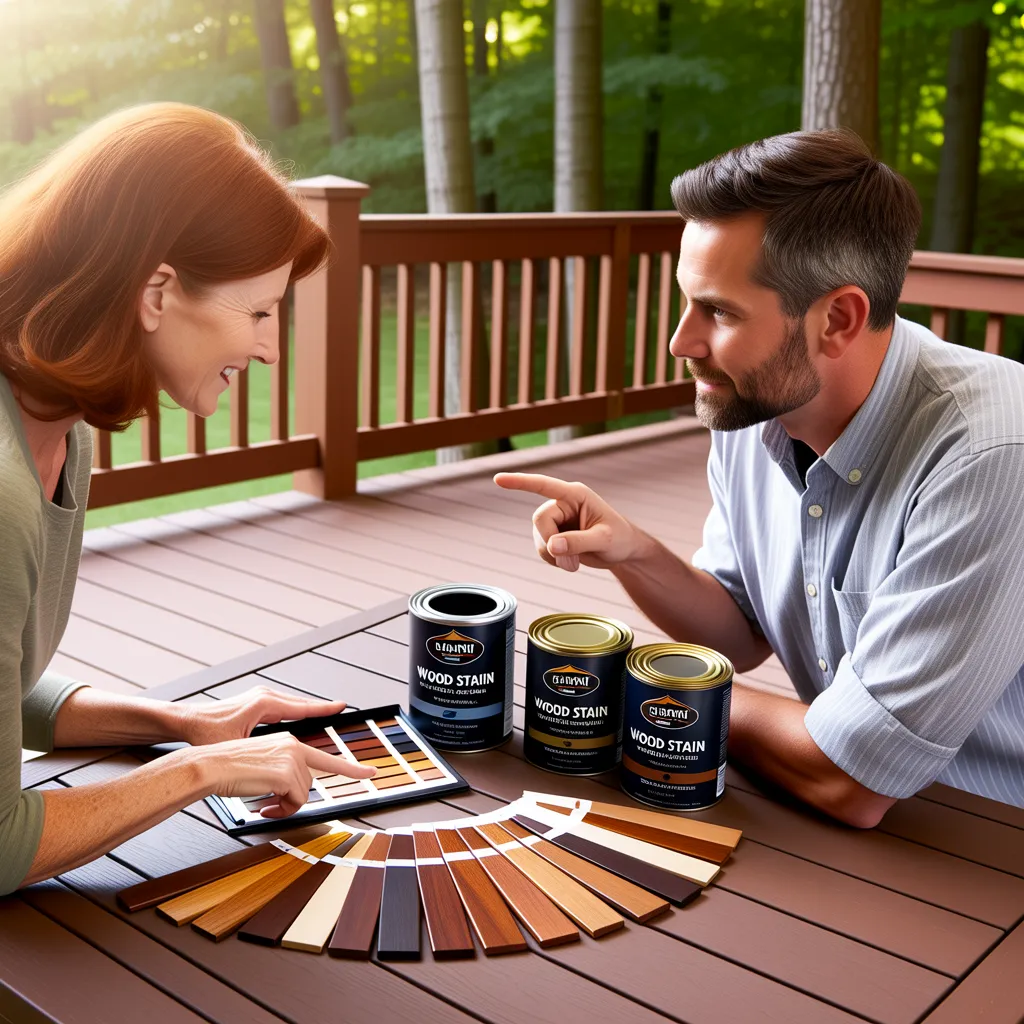
When deliberating on deck staining, multiple stain and finish possibilities prove fundamental in elevating visual appeal. Renowned stain colors begin with natural wood tones to bold hues, permitting personalized choices. Additionally, assorted coating types can modify both appearance and durability, with individualized selections available to suit individual preferences.
Trending Stain Tones
Opting for the suitable stain color can overhaul a deck's appearance and celebrate its natural beauty. Popular stain colors vary between rich, deep hues to lighter, more transparent options. Dark walnut and mahogany give a luxurious, classic look, while cedar and pine stains furnish a more rustic aesthetic. Grey tones have climbed in popularity for their modern appeal, complementing contemporary home designs. Additionally, natural wood tones allow the grain to shine through, highlighting the deck's inherent characteristics. For those pursuing a unique touch, bold colors like deep blue or forest green can establish a striking statement. Ultimately, the choice of stain color should reflect personal style while fitting with the surrounding environment.
Understand Surface Types
Wood stain colors play a crucial role boosting a deck's appearance, while the coating variety remains equally vital for strength and upkeep. Diverse finish types, including semi-transparent, solid, and clear, present individual benefits. Semi-transparent stains allow the natural grain of the wood to become visible while delivering UV protection and moisture resistance. Solid stains provide a uniform color that hides imperfections and deliver strong protection against the weather. Clear finishes, in contrast, maintain the wood's natural appearance but require more regular reapplication. Each finish variety serves different needs, necessitating for homeowners to examine their condition of their deck and the desired appearance when selecting a finish type. The right choice can substantially extend the life of the deck.
Personalization Options Available
Deck owners have several customization options to elevate their outdoor spaces. The hue selection is important, as it can dramatically impact the deck's overall look. From dark mahogany tones to neutral grays, homeowners can pick shades that complement their home’s architectural style and landscaping. Additionally, finishes serve a important role in both aesthetics and protection. These include semi-transparent stains that reveal the wood's grain while offering some UV protection, or solid stains that ensure a more uniform color and improved durability against the elements. Each choice allows personal expression while making sure the deck stays functional and attractive. Ultimately, these customization options empower deck owners to fashion a unique outdoor retreat reflecting their personal preferences.
Do-It-Yourself compared to Professional Finishing: Which Option is Most Suitable for Your Deck?
When considering how to enhance the longevity and appearance of outdoor spaces, the selection between DIY and professional deck staining can be crucial. DIY staining allows homeowners to save on labor costs and offers them the flexibility to pick their preferred stain. However, it requires time, effort, and a certain level of skill to attain a uniform finish and proper application.
Conversely, bringing in experts typically ensures a superior outcome, as skilled contractors understand the optimal methods and products for various wood types. They can also handle surface preparation and maintenance, which are essential for durability.
In the end, the decision relies on individual situations, including budget, time, and desired outcome. For those pursuing a perfect appearance and lasting durability, professional services may be a worthwhile expense. On the other hand, if financial limitations are substantial and the homeowner is prepared to dedicate time and effort, DIY staining can be a feasible choice.
Regularly Asked Questions
Is It Possible to Finish My Deck in Rainy Weather?
Staining a deck during rainy weather is inadvisable. Moisture can obstruct proper grip, causing uneven application and compromised durability. It's best to wait until conditions are dry for ideal staining results.
What proves to be the Expected Length of the Staining Process?
The staining procedure usually requires anywhere from three to six hours, depending on the deck's size and state. Additional time is necessary for drying out, which can differ based on weather and stain type.
What Tools Are Required for Deck Stain Application?
Important tools for deck staining comprise a brush or roller, a stain applicator pad, a spray system for bigger areas, drop cloths to cover surfaces, and safety gear such as gloves and goggles for safeguarding.
What Natural Stain Options Are Accessible?
Yes, there are environmentally responsible stain options offered. Many manufacturers provide non-toxic low-emission stains formulated with plant-based substances, guaranteeing slight ecological effect while providing effective protection and upgrading the appearance of wood pieces.
Will Treating Alter the Texture of My Deck?
Staining usually improves the wood's natural texture rather than changing it considerably. However, certain stains may create a slight sheen or smooth finish, which can influence the tactile experience without fundamentally altering the underlying texture.